
Respiratory and Allergic Illnesses
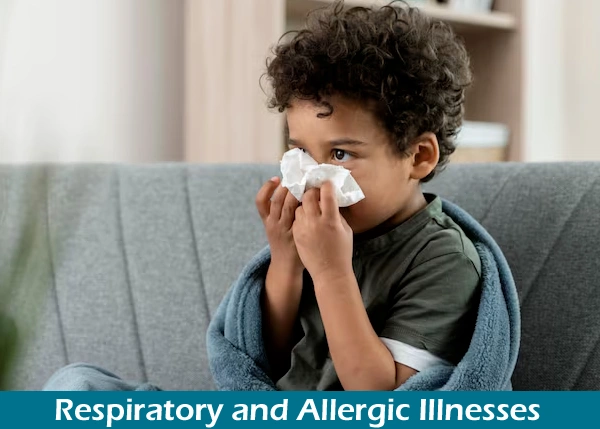
Respiratory and Allergic Illnesses
Respiratory and allergic illnesses are among the most common health concerns affecting children. Frequent cough, cold, wheezing, asthma, allergies, and recurrent respiratory infections can interfere with a child's daily activities, sleep, growth, and overall quality of life. Respiratory and Allergic Illness Treatment in Noida focuses on the early diagnosis, effective treatment, and long-term management of these conditions to help children breathe comfortably and stay healthy.
Dr. Meghna Panchal, an experienced Consultant Pediatrician and Neonatologist, provides comprehensive Respiratory and Allergic Illness Treatment in Noida using evidence-based medical care and a child-friendly approach. She works closely with families to identify triggers, manage symptoms, strengthen immunity, and prevent recurrent respiratory problems.
What are Respiratory and Allergic Illnesses?
Respiratory illnesses affect the lungs and airways, while allergic illnesses occur when the immune system overreacts to allergens such as dust, pollen, pet dander, certain foods, or environmental pollutants.
Children have developing immune systems, making them more susceptible to respiratory infections and allergies. Early diagnosis and timely treatment can significantly improve recovery and reduce the risk of complications.
Professional Respiratory and Allergic Illness Treatment in Noida helps children recover faster while improving their long-term respiratory health.
Common Respiratory and Allergic Conditions Treated
Dr. Meghna provides treatment for a wide range of childhood respiratory and allergic conditions, including:
- Common cold and viral infections
- Persistent cough
- Wheezing
- Childhood asthma
- Allergic rhinitis
- Sinus infections
- Bronchitis
- Pneumonia
- Sore throat and tonsillitis
- Dust allergies
- Seasonal allergies
- Food allergies
- Skin allergies associated with allergies
- Recurrent respiratory infections
- Breathing difficulties
Each child receives a personalized treatment plan based on their symptoms and medical history.
Symptoms That Need Pediatric Evaluation
Consult Dr. Meghna if your child experiences:
- Persistent cough lasting several days
- Wheezing or noisy breathing
- Difficulty breathing
- Recurrent chest infections
- Frequent sneezing
- Runny or blocked nose
- Night-time coughing
- Chest tightness
- Skin rashes with allergies
- Fever associated with breathing problems
- Reduced physical activity due to breathing difficulty
- Frequent allergy flare-ups
Early Respiratory and Allergic Illness Treatment in Noida helps prevent complications and supports quicker recovery.
Benefits of Early Treatment
Receiving timely Respiratory and Allergic Illness Treatment in Noida provides several important benefits.
Accurate Diagnosis
Identifying the exact cause allows appropriate and effective treatment.
Better Symptom Control
Early treatment helps reduce cough, wheezing, breathing difficulty, and allergic reactions.
Reduced Recurrence
Proper management lowers the frequency of respiratory infections and allergy episodes.
Improved Lung Health
Timely care helps protect lung function and supports healthy breathing.
Enhanced Quality of Life
Children can participate comfortably in school, sports, and daily activities.
Parent Education
Parents learn how to recognize symptoms, avoid triggers, and manage conditions at home.
Our Treatment Approach
Dr. Meghna Panchal follows a comprehensive approach for respiratory and allergy care.
Detailed Clinical Evaluation
A thorough assessment is performed to understand the child's symptoms, medical history, allergy triggers, and respiratory health.
Accurate Diagnosis
Investigations are advised when required to identify infections, allergies, or chronic respiratory conditions.
Personalized Treatment Plan
Treatment is tailored according to the child's age, symptoms, severity, and medical condition.
Allergy & Trigger Management
Parents receive guidance on avoiding environmental and lifestyle triggers that may worsen symptoms.
Preventive Care
Vaccination, nutrition, and immunity-supporting measures are recommended to reduce future illnesses.
Regular Follow-Up
Ongoing monitoring helps evaluate treatment response and prevent recurrent respiratory problems.
Why Choose Dr. Meghna Panchal?
Parents trust Dr. Meghna Panchal for comprehensive respiratory and allergy care because she offers:
- Experienced Consultant Pediatrician & Neonatologist
- Expertise in childhood respiratory diseases
- Evidence-based allergy management
- Personalized treatment plans
- Child-friendly consultation approach
- Focus on preventive healthcare
- Early diagnosis and timely treatment
- Parent education and counseling
- Long-term follow-up care
- Trusted pediatric care across Noida
Her goal is to help children breathe better, stay active, and enjoy a healthier childhood with fewer respiratory and allergic problems.
Helping Children Breathe Better Every Day
Healthy lungs are essential for a child's growth and development. With timely diagnosis, proper treatment, preventive care, and regular follow-ups, most respiratory and allergic illnesses can be effectively managed. Dr. Meghna Panchal is committed to providing compassionate pediatric care that supports long-term respiratory health and overall well-being.
Frequently Asked Questions (FAQ)
When should I consult a pediatrician for my child's cough?
If the cough lasts more than a few days, is accompanied by breathing difficulty, wheezing, high fever, or interferes with sleep and feeding, consult a pediatrician.
Can childhood asthma be managed effectively?
Yes. With early diagnosis, medications, trigger avoidance, and regular follow-up, most children with asthma lead healthy and active lives.
What causes allergies in children?
Common triggers include dust, pollen, pet dander, certain foods, insect bites, mold, and environmental pollutants.
How can I reduce my child's allergy symptoms?
Avoid known allergens, maintain a clean home environment, follow prescribed treatment, and attend regular pediatric follow-up visits.
Are recurrent respiratory infections normal in children?
Children may experience frequent infections, but repeated or severe illnesses should be evaluated by a pediatrician to rule out underlying conditions.